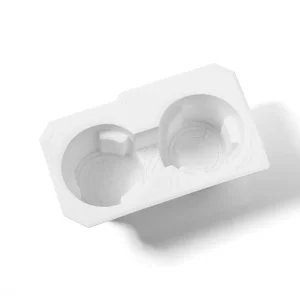
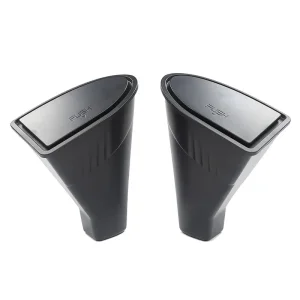
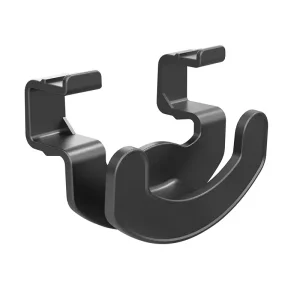
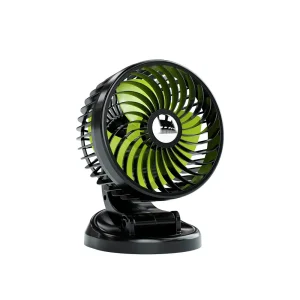
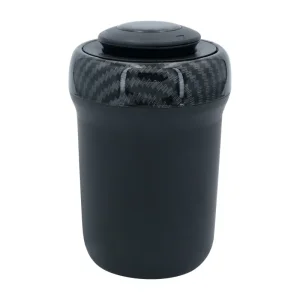
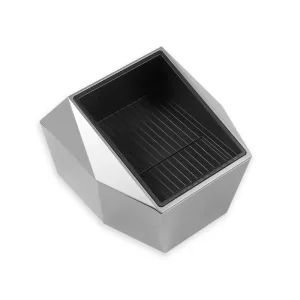
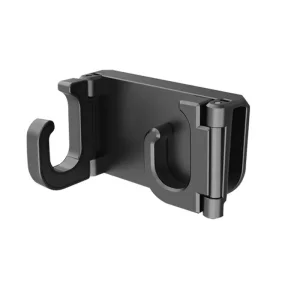
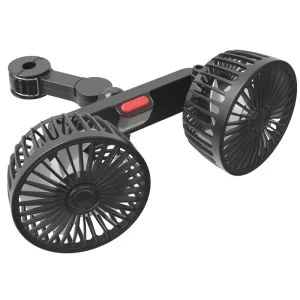
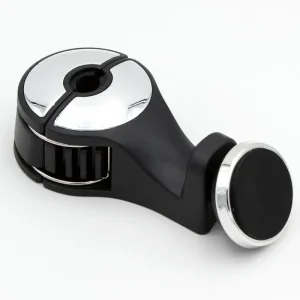
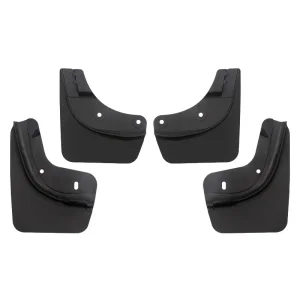
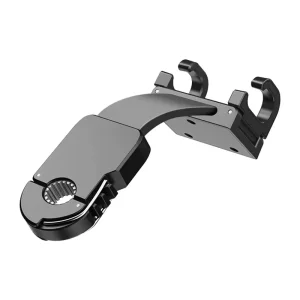
Modern buyers do not merely seek a basic folding chair. They demand structural longevity, aerospace-grade light alloy configurations, and specialized integrated options—such as smart heating elements or integrated cooling fans. At Shantou Chenghai Yate Auto Accessories Factory, we have applied our decade-long expertise in automotive precision engineering to the outdoor gear landscape. Since our entry into outdoor consumer goods in 2024, our R&D focus has shifted towards the hybrid intersection of automotive utility and outdoor comfort.
Whether designing tailored equipment for overland Tesla enthusiasts who utilize custom model hooks, or formulating high-load recreational chairs, evaluating candidate Custom Camping Chairs Manufacturers & Factories demands a deep understanding of raw materials, industrial tooling capacities, and strict regulatory footprints.
Premium custom camping chairs require an engineered balance of structural durability, material weight reduction, and comfort. The foundational frame must endure diverse climate scenarios, from coastal salt spray to arid UV exposure.
Corporate clients and retail brands prioritize custom profiles that mirror their corporate branding. We address custom styling across multiple design vectors:
China’s manufacturing landscape dominates the global outdoor furniture sector due to deep industrial integration and advanced infrastructure.
Our proximity to direct aluminum smelters, high-strength fabric weaving mills, and petrochemical production hubs enables us to procure components rapidly and manage sudden material price fluctuations effectively.
Applying our automotive mold-design experience allows us to transition from initial CAD engineering files to a physical prototype in days rather than weeks, accelerating the custom design cycle.
Automated high-speed metal cutting, CNC pipe bending, and ultrasonic fabric welding machines ensure consistent product quality, minimize human error, and keep wholesale pricing competitive.
Sourcing camping chairs internationally requires meeting stringent national and regional regulatory certifications. A lack of compliance verification can result in customs seizures, liability claims, or retail listing removals.
In the EU, outdoor furniture must comply with EN 581-1 (general safety requirements) and EN 581-2 (mechanical safety and test methods for seating). Additionally, chemical compliance under REACH regulations is critical to verify the absence of harmful plasticizers, phthalates, and lead.
For North American markets, camping equipment must meet ANSI/BIFMA mechanical standards for load, drop, and stability testing. Material coatings and flame retardants must comply with California Proposition 65 and CPSC guidelines for heavy metal contents.
Our factory implements testing frameworks directly into our production workflow, utilizing tensile strength machines and cycle fatigue load simulators to ensure product safety.
As EV adoption rises, there is a growing demand for compact, ultra-flat folding camping chairs designed to fit into modern trunk configurations, like those of the Tesla Model Y, without compromising cargo space.
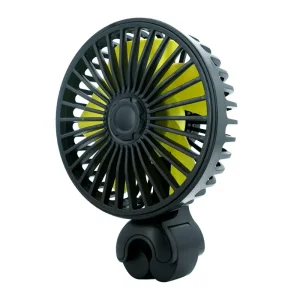
The market is seeing increased interest in chairs with built-in electronic features. This includes seat heating elements, USB ports for recharging devices, and integrated cooling fans to improve user comfort in warm climates.
Modern consumers prioritize eco-friendly options. Leading factories are incorporating rPET fabrics (made from recycled plastic bottles) and bio-based plastics into their product lines to reduce environmental impact.
Custom chairs are tailored to specific target audiences:
Established in 2015, Shantou Chenghai Yate Auto Accessories Factory (operating under our brand "Cheshan") began as a high-precision automotive accessory manufacturer. Over the years, we developed specialized products for leading EV brands, including Tesla Model 3/Y, Cybertruck, and Chinese domestic smart vehicles.
Our core capabilities include advanced plastic injection molding, automated metal bending, and high-durability fabric sewing. In 2024, we expanded these manufacturing capabilities to meet the growing global demand for outdoor electronic and structural equipment, including high-end camping fans, customized seating, and automotive-outdoor hybrid gear.
Operating out of our 15,000 square meter production facility equipped with 7 automated assembly lines, we maintain strict quality control standards. This ensures every product we deliver meets the durability and performance requirements expected by our global B2B partners.
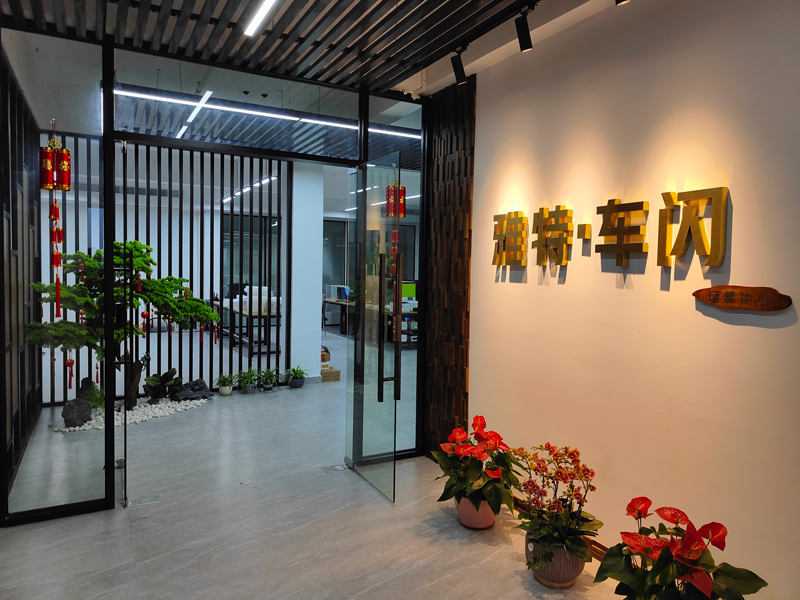

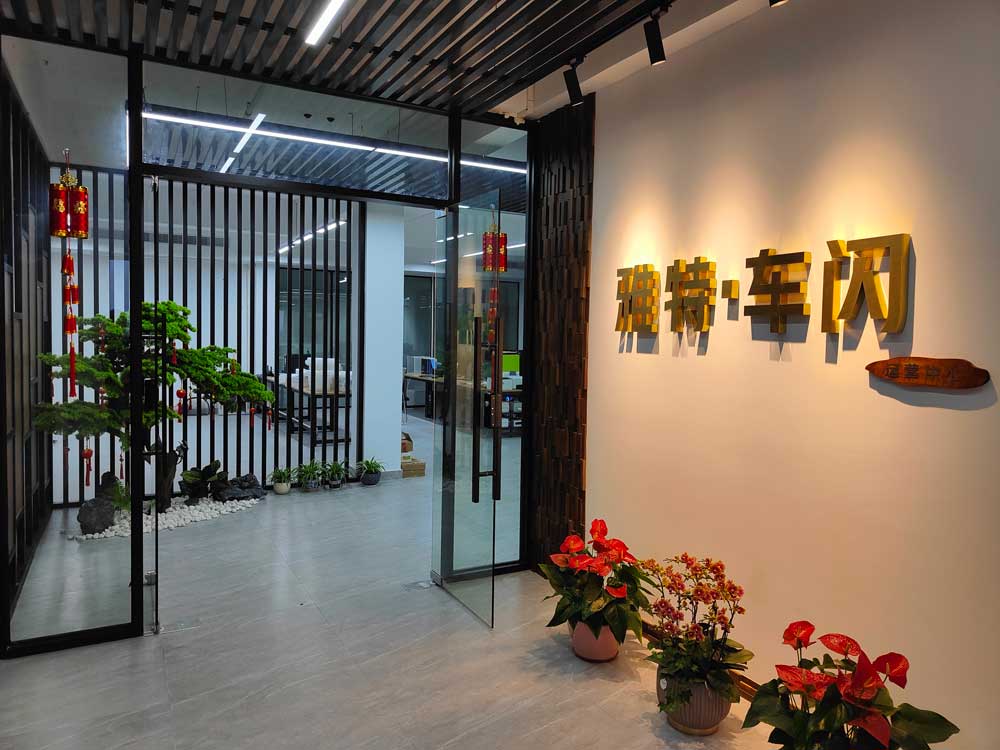
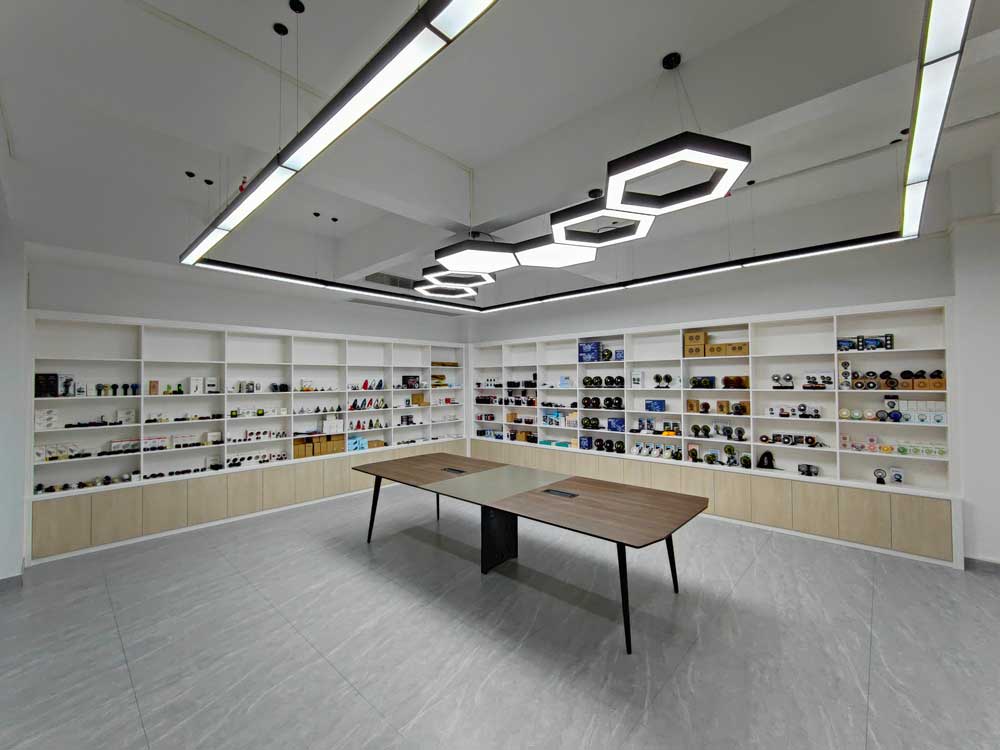
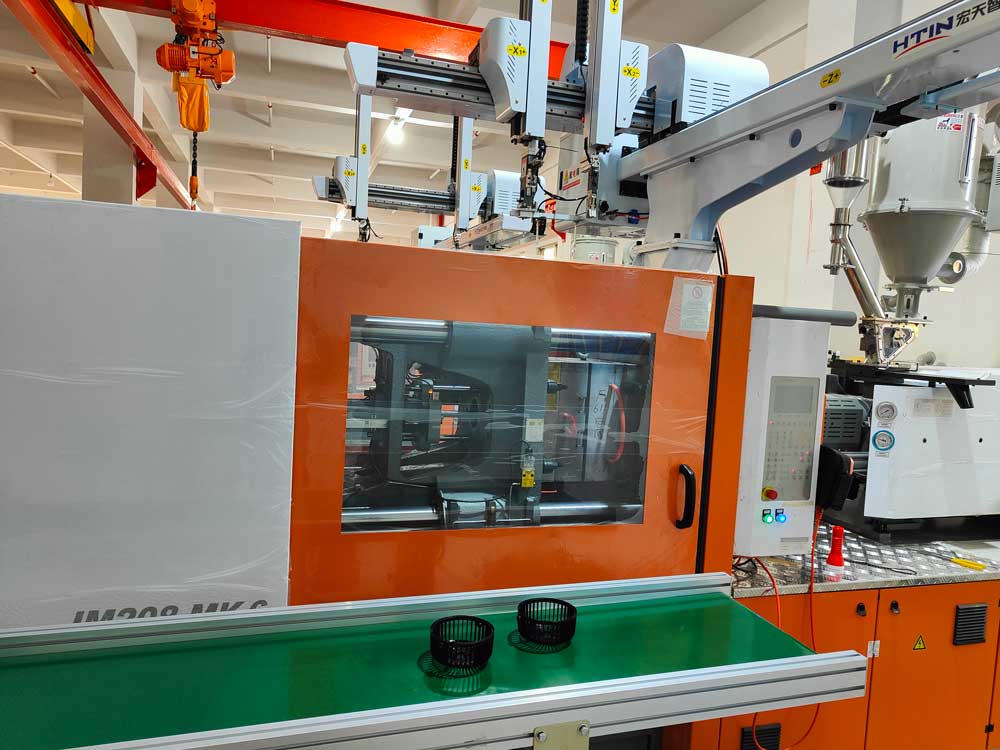
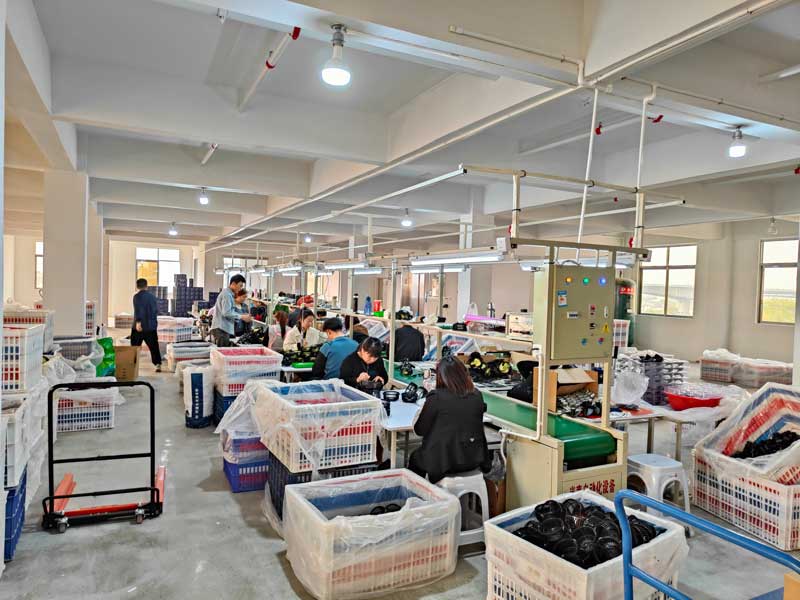
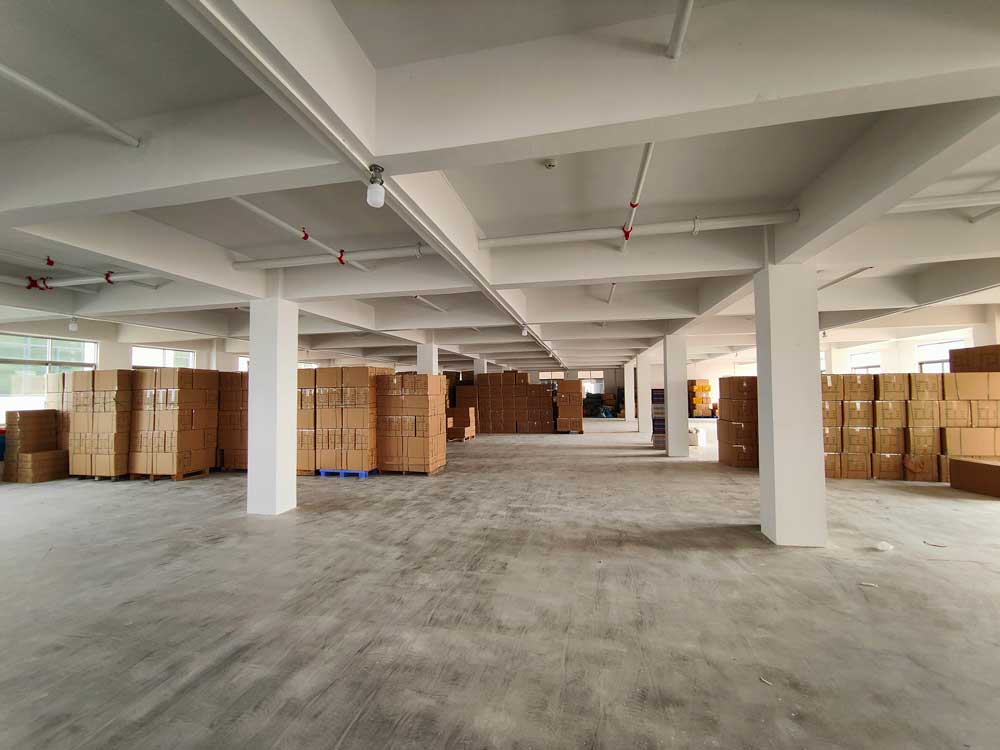
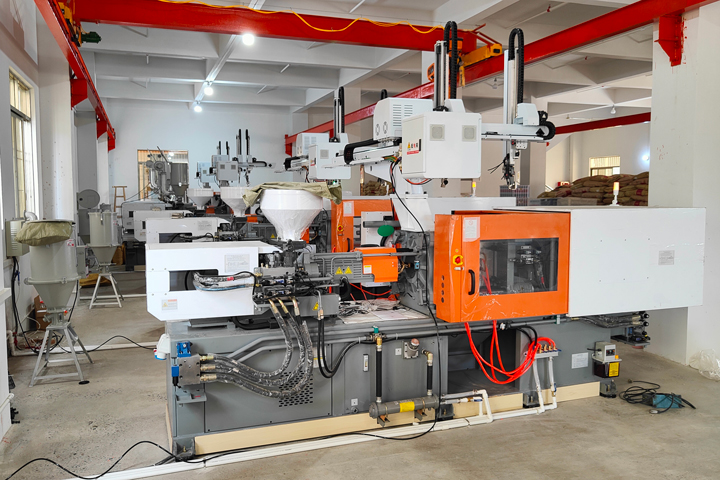
Our engineering team utilizes durable materials, reinforced joinery, and weather-resistant finishes. We manage the design and production process in-house, supported by a growing portfolio of design patents and technical certifications. Our 15,000 square meter factory is staffed by 200+ skilled workers, enabling us to support bulk orders while maintaining consistent manufacturing quality.
We provide customizable ODM/OEM options with adaptable MOQs to meet the requirements of varying business sizes. Partners receive access to high-resolution product photography and marketing videos to assist in their retail or promotional launches.
"Innovative products, reliable quality, and professional service" serves as the foundation of our collaborations, helping us build stable, long-term relationships with global brands, retailers, and distributors.
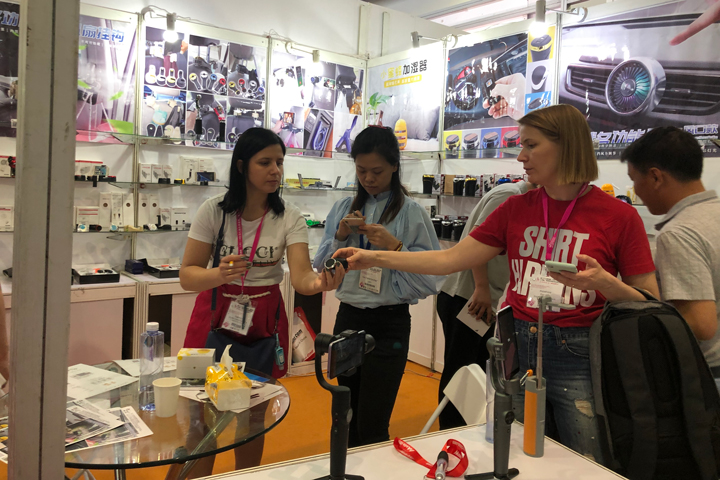
 Yate Auto