In today's fast-paced world, the demand for portable fans continues to rise. As we approach 2026, global buyers have unique needs and preferences. A portable fan offers convenience, comfort, and versatility. It can be used for outdoor activities, office spaces, or personal use at home.
However, selecting the right portable fan is a challenging task. Various brands and styles flood the market, each claiming to be the best. Often, consumers find themselves overwhelmed. They may not fully grasp the essential features that truly matter. Durability, battery life, and noise level are critical factors to consider. A fan that works well in one situation may fall short in another.
By exploring ten valuable tips, buyers can enhance their purchasing decisions. Understanding what makes a portable fan reliable is crucial. It's easy to get distracted by flashy designs or low prices. A thoughtful approach emphasizes quality and functionality over mere appearance. With the right insights, finding the perfect portable fan becomes a manageable goal in 2026.
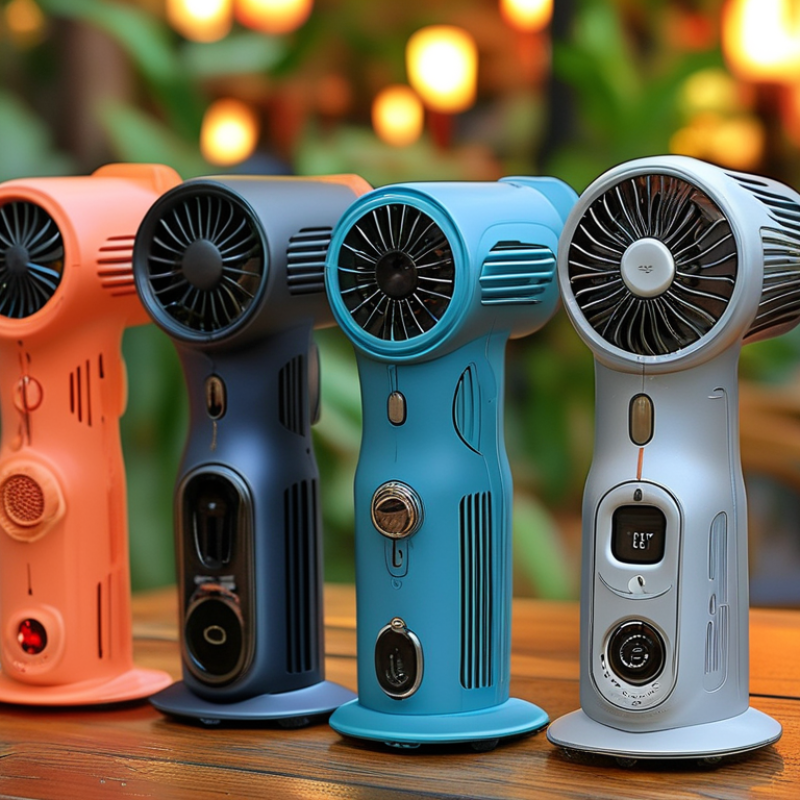
In 2026, global buyers are discovering the advantages of portable fans over traditional cooling options. A portable fan offers flexibility and convenience. Users can easily transport them from room to room or take them outdoors. This adaptability is vital for those seeking comfort without the hassle of bulky machinery.
Portable fans use less energy than air conditioners. This energy efficiency can lead to substantial savings on electricity bills. Many models offer various speed settings and noise levels. This feature allows users to customize their experience based on their needs. It's essential to choose a fan with a solid battery life if you're often on the go.
Always consider the size and design of the fan. A sleek, compact model will fit in tight spaces, making it perfect for small rooms or offices. Some people may find that smaller fans don’t provide enough airflow. Reflect on your individual cooling needs and preferences before investing. Checking reviews for durability and performance can be helpful as well.
When choosing a portable fan, efficiency is key. Consider airflow efficiency, which measures how well a fan can move air compared to its power consumption. Effective fans operate at an efficiency rate of at least 2.5 cubic feet per minute (CFM) per watt. This data highlights the importance of energy savings, especially in regions experiencing extreme heat.
Battery life is another crucial factor. Many consumers overlook how long a fan can run on a single charge. A model that lasts 8 hours on high speed sounds appealing, but verify its performance in varied conditions. Fans that employ brushless motors typically offer longer operation times. Such motors can operate continuously for up to 30 percent longer than standard ones.
Noise levels are often undervalued. Many users prefer quiet fans, especially for indoor use. Look for models with decibel (dB) ratings below 50. Research shows that fans operating at 40 dB can offer a soothing background noise. While assessing these features, remember that a cheap fan may compromise performance. Prioritize those aspects to ensure a satisfactory investment.
| Feature | Importance | Recommended Specification |
|---|---|---|
| Battery Life | Long battery life allows for extended use without needing a recharge. | At least 8-12 hours on a full charge. |
| Portability | Lightweight and compact design for easy transport. | Under 2 lbs and foldable design. |
| Noise Level | Quiet operation is essential for comfortable use in quiet spaces. | Below 30 dB on the lowest setting. |
| Speed Settings | Variable speed settings allow for customization based on user preference. | At least 3-5 speed settings. |
| Charging Method | Versatile charging options provide convenience. | USB-C charging preferred. |
| Design | Aesthetic appeal can enhance user experience. | Stylish and modern design options. |
| Oscillation | Oscillation can provide better air circulation in larger areas. | Ability to oscillate from side to side. |
| Durability | A robust build ensures longevity of the fan. | Material like ABS plastic or metal housing. |
| Safety Features | Safety features prevent accidents during operation. | Overheat protection and a stable base. |
| Price | Affordability is key for budget-conscious buyers. | Range between $20 - $50 for good quality options. |
When considering energy consumption, portable fans offer several advantages over traditional air conditioning (AC) units. Portable fans generally use about 20 to 50 watts of power, significantly less than the 1,000 to 2,500 watts of an AC system. This makes fans an attractive option for those looking to reduce electricity costs while staying cool.
However, it's essential to acknowledge that the efficiency of fans depends on humidity and room size. In high humidity, fans might not provide sufficient cooling. They lose effectiveness if the air feels sticky and uncomfortable. Moreover, understanding your room's airflow is crucial. A poorly positioned fan can waste energy and fail to cool effectively. Consider experimenting with different placements to maximize airflow and comfort.
Portable fans can be a reliable choice for localized cooling, especially in less humid conditions. They create a wind-chill effect that can make you feel cooler without the heavy energy bills that come with AC units. But remember, they don't replace AC in extreme heat. Balancing the use of fans and air conditioning can lead to significant energy savings while ensuring a comfortable living environment.
When choosing a portable fan, size and blade design significantly influence airflow and cooling effectiveness. Smaller fans may be convenient, yet they often struggle to move air efficiently. They can create localized cooling, but their overall impact is limited in larger spaces. For effective airflow, a larger fan with well-designed blades can make a noticeable difference.
Blade design is crucial in maximizing airflow. Fans with wider blades typically push more air. The angle of the blades affects how air is circulated. Some designs may produce more noise, which can be distracting. It’s essential to balance performance and comfort. Test various shapes and sizes to find the right mix for personal needs.
Keep in mind personal usage scenarios. A fan that works well in a bedroom might not serve well in a garage. Even high-quality units may have limitations depending on the environment. Exploring different features can lead to a more satisfying choice. Airflow matters, but a fan’s aesthetics and portability also play a big role. Prioritize what aspects contribute most to your comfort.
In 2026, portable fans are set to undergo significant innovations. Battery technology is improving, leading to longer usage times. Lightweight materials are becoming standard, ensuring fans remain easy to carry. Smart features are entering the market, allowing users to control settings via mobile apps. This combination of convenience and functionality is key.
When considering a portable fan, choose one that meets your personal needs. Look for adjustable speeds and quiet operation. A built-in rechargeable battery can save you from frequent battery changes. Always check the fan's airflow capacity; some models may not provide sufficient cooling in hot weather.
Another interesting trend to note is the rise of eco-friendly materials. Many fans are now made from recycled plastics, promoting sustainability. While these options are beneficial, they can sometimes be less durable. We must reflect on balancing eco-friendliness with longevity. Innovations are exciting, but they require consumer awareness and critical thought.
: Portable fans offer flexibility and convenience. You can easily transport them anywhere.
Portable fans use less energy than air conditioners, leading to lower electricity bills.
Consider features like battery life, size, and speed settings. Choose based on your cooling needs.
Smaller fans may struggle with airflow in larger spaces. They can offer localized cooling.
Wider blades push more air. Blade angle also affects air circulation and noise level.
Yes. Some designs may be noisier than others. It’s essential to balance performance and comfort.
A fan's look can influence your choice. Consider how it fits into your space.
Test different sizes. A fan that suits one area might not be effective in another.
Not all fans are equally durable or effective. Reviews can help evaluate performance.
Different environments may affect fan effectiveness. Reflect on where you'll use it most.
In 2026, portable fans are becoming an increasingly popular choice for consumers seeking effective cooling solutions. Compared to traditional air conditioning units, portable fans offer greater flexibility, energy efficiency, and often a lower environmental impact. Key features to consider when selecting a portable fan include size, blade design, and airflow capabilities, all of which significantly influence cooling effectiveness. Understanding energy consumption is also crucial, as portable fans generally consume less power than AC units, making them a cost-effective option for many.
Additionally, advancements in portable fan technology are set to transform the market, with innovations aimed at enhancing performance and user experience. As trends continue to evolve, buyers should stay informed about the latest features and technologies to ensure they make the best investment in their cooling appliances. With these insights, consumers will be equipped to choose the most suitable portable fan for their needs in an ever-changing marketplace.

Yate Auto