Top 10 Car Seat Gap Filler Suppliers in China?

Time:2026-11-07 Author:Madeline
0%

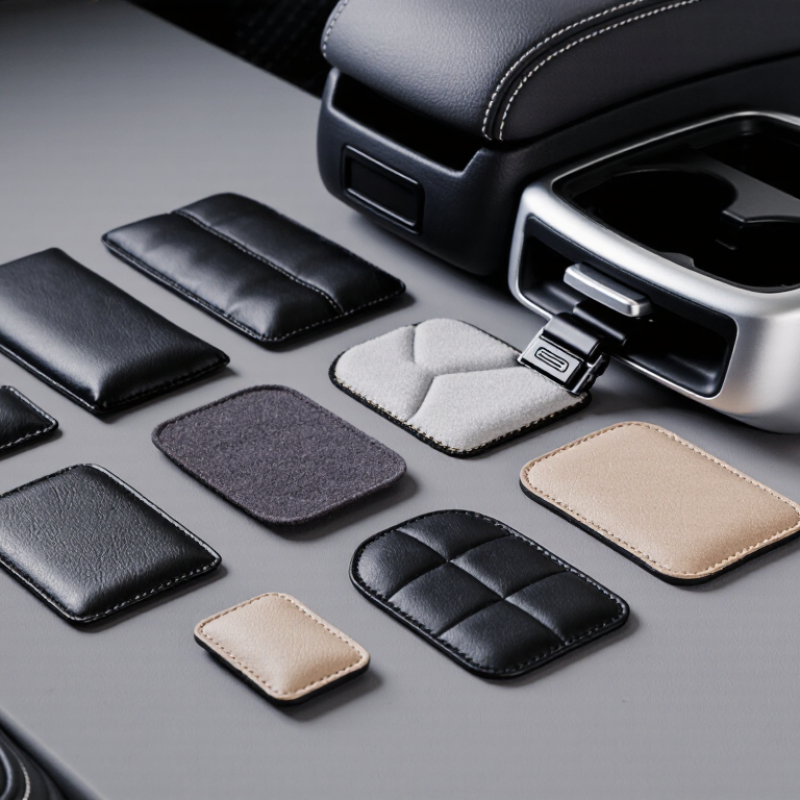
A Car Seat Gap Filler looks like a small accessory, but it must fit securely, feel comfortable, and leave seat-belt access clear. For buyers comparing Chinese suppliers, those details matter more than polished catalog photos. Stitching, edge finish, material odor, and fit across different seat shapes deserve close checks.

The wider market offers useful context, though it does not measure gap fillers alone. Grand View Research valued the global automotive accessories market at USD 529.03 billion in 2023 and forecast a 5.4% compound annual growth rate from 2024 to 2030. This broad category includes many products, so the figure should not be treated as a gap-filler market estimate. Safety also matters: NHTSA reported 3,308 deaths involving distracted driving in the United States in 2022. A filler should not obstruct controls or seat-belt access. Small details matter.

There is an important sourcing limitation. I could not verify a published quotation from a named Car Seat Gap Filler specialist, so I will not invent one. Instead, this comparison focuses on evidence buyers can check: product specifications, sample quality, customization options, factory communication, and documented quality processes. A supplier may look convincing online. The sample tells a fuller story. The following list examines ten China-based suppliers through that practical lens, while recognizing that public information and product ranges can change. Verify current claims directly before placing an order.
Top 10 Car Seat Gap Filler Suppliers in China?

What Is a Car Seat Gap Filler and How Does It Work?

A car seat gap filler is a padded or molded insert placed between a vehicle seat and the center console. It covers the narrow space where coins, keys, and crumbs often disappear. Some designs sit beside the seat; others attach to the seat belt buckle or rest on the console edge. The exact fit depends on the vehicle’s seat shape and console width.

It works as a simple physical barrier. When an item slips off your lap, the filler can stop it before it drops into the gap. Many models use flexible foam, fabric, or washable synthetic material, so they can compress as the seat moves. Installation usually takes only a few minutes: position the insert, check that it lies flat, and move the seat through its normal range. A loose or bulky filler may shift, though. Fit matters.

This accessory is not a restraint and cannot prevent objects from moving during a sudden stop. Keep it clear of seat-belt buckles, seat controls, and any side-airbag area identified in the vehicle manual. That detail is easy to overlook. If the filler presses against a belt latch or blocks seat movement, remove it or choose a better-fitting option. Even a well-made insert may need adjustment after cleaning or when changing vehicles.

Top 10 Car Seat Gap Filler Suppliers in China? What Is a Car Seat Gap Filler and How Does It Work?

How a car seat gap filler is selected and used. This chart explains the product workflow; it does not rank suppliers.

How it works: A car seat gap filler sits in the space between a vehicle seat and the center console or adjacent area. It helps block small items from falling into the gap; pocketed designs may also provide storage. Check fit, seat movement, and seat-belt access after installation. The numbered bars show step order, not measured performance.

How to Assess Car Seat Gap Filler Suppliers in China

How to Assess Car Seat Gap Filler Suppliers in China

A reliable assessment starts with the product, not a polished catalog. Ask for material specifications, dimensional tolerances, and samples from regular production. Check whether the filler stays in place across different seat shapes and does not obstruct seat-belt buckles or adjustment controls. Small details matter. Inspect stitching, edges, and the fit around the console. A neat sample is useful, but repeat orders should match it.

Ask how the supplier controls incoming materials, production checks, and final inspections. Request relevant test reports and confirm what each report covers; a document alone does not prove consistent quality. If possible, test samples in several vehicles and note movement after repeated entry and exit. Also review packaging, lead times, and how defects or specification changes are handled. Clear answers are reassuring. Vague promises are not. Communication can still be imperfect, even with a capable factory, so record agreed dimensions and acceptance criteria in writing. No checklist catches everything. A modest trial order can reveal issues that a sample cannot.

Top 10 Car Seat Gap Filler Suppliers in China? - How to Assess Car Seat Gap Filler Suppliers in China

Supplier assessment framework—not a verified ranking of named companies. Suggested weights are illustrative and should be adjusted to your product and target market.

No. Assessment dimension Evidence to request How to assess Suggested weight
1 Vehicle fitment and engineering Fitment list identifying vehicle make, model, model year, and relevant seat or console variations; drawings or dimensions for each design. Compare the listed applications with your target vehicles and test samples in the actual seat-gap area. Do not assume one design fits every vehicle. 15%
2 Design and construction Product drawings, material specifications, dimensions, attachment method, and details of any storage pocket or fastening feature. Check that the filler stays in place during normal seat adjustment and does not obstruct seat movement, seat-belt access, or controls. 12%
3 Material and chemical information Material declarations and relevant, current test reports for the intended sales markets; reports should identify the tested material or product. Confirm which market rules apply to the product and verify reports with the issuing laboratory where appropriate. Requirements vary by market and product construction. 12%
4 Quality management system Current quality-system certificates, certificate scope, issuing body, and documented inspection procedures. Check certificate validity and whether its scope covers the relevant manufacturing site and activities. ISO 9001 concerns quality management; certification alone does not prove product performance. 12%
5 Product testing and validation Test plans and results for dimensions, fit, attachment retention, durability, and any material properties relevant to the design. Review test methods, sample identification, pass criteria, and results. Request testing on production-representative samples rather than relying only on product claims. 12%
6 Manufacturing capability and capacity Production-site details, process flow, equipment information, stated capacity, lead times, and plans for managing peak demand. Confirm capacity against your forecast and verify whether production is performed at the stated site or subcontracted. 10%
7 Batch control and traceability Batch or lot identification method, incoming-material records, inspection records, and a sample traceability procedure. Ask the supplier to trace a sample lot from incoming materials through finished goods and confirm how nonconforming products are controlled. 8%
8 Supply-chain and sourcing transparency Information on key material sources, subcontracted processes, and procedures for approving material or process changes. Check whether changes that could affect fit, appearance, or performance are communicated and approved before implementation. 7%
9 Export documentation and packaging Sample commercial and shipping documents, packaging specifications, carton dimensions, and product labeling details for the destination market. Confirm the supplier can prepare the documents and packaging information required by your importer, freight forwarder, and destination-market rules. 6%
10 Commercial terms and after-sales support Written quotation, minimum order quantity, sample and production lead times, payment terms, warranty terms, and complaint-handling process. Compare the full landed-cost assumptions and confirm how defects, replacement requests, and delivery delays are handled in writing. 6%

What Manufacturing and Quality Standards Should Buyers Check?

Buyers comparing car seat gap filler suppliers in China should inspect production controls, not just a polished sample. Ask for written material specifications covering fabric, foam density, dimensions, and color tolerance. Check whether incoming materials and finished goods are recorded by batch. Traceability matters when a defect appears months later. Request the supplier’s quality procedures and any relevant ISO 9001 certification, then verify that the scope fits the actual factory. A certificate alone proves little about daily inspection.

Test samples under realistic use. Measure the filler before and after compression, check seam strength, and look for fraying after repeated abrasion. Ask for evidence of odor and chemical screening suitable for your sales market. Fit the product in several seat-and-console combinations, including tight gaps, and confirm it does not obstruct seat-belt access or interfere with seat movement. Small details matter. Review inspection records, defect limits, corrective-action reports, and subcontracting practices. A neat audit file is not proof by itself; compare it with production samples and actual test results. One supplier may pass a sample check and still vary between batches, so consider a small pilot order before committing to volume.

Top 10 Car Seat Gap Filler Suppliers in China

Top 10 Car Seat Gap Filler Suppliers in China

A credible top-ten comparison should examine product fit, material quality, production capacity, and communication—not just quoted prices. Chinese suppliers may offer fabric-covered cushions, molded organizers, or flexible gap-blocking designs. Ask whether a sample fits different seat shapes and leaves access to seat-belt buckles. Small details matter. A loose edge can catch on a belt, while overly firm filling may feel uncomfortable during longer drives.

Request clear specifications for dimensions, materials, stitching, packaging, and available customization. Check whether the supplier can provide consistent samples and explain its quality-control process. Photos help, but they cannot confirm foam density or seam strength. Ask for close-up images and, where practical, evaluate a physical sample. Compare lead times and minimum order quantities in writing. A low price may exclude packaging or tooling costs. Supplier claims should be verified rather than treated as proof.

Tips: Test the filler in more than one vehicle, and check that seat belts remain easy to reach. Keep a record of sample measurements and revisions. One limitation is that a successful fit in one car does not guarantee universal compatibility; product descriptions can make this sound simpler than it is.

How to Compare Suppliers, Request Samples, and Place an Order

When comparing car seat gap filler suppliers in China, look beyond catalog photos. Ask for product dimensions, material composition, stitching details, and the type of backing used to limit movement. Fit matters. A filler should sit securely without covering the seat-belt buckle or interfering with normal seat adjustment. Request clear photos and written specifications for each variation, since similar-looking products may differ in width or shape.

Request samples before discussing a large order. Test them in the intended vehicle, checking whether they shift when passengers enter or exit. Inspect seams, edges, surface texture, and how easily crumbs can be removed. Ask the supplier to confirm which vehicle measurements the sample is designed for. Not always. One sample may fit well in one car but leave a gap in another. That mismatch deserves attention, not a quick assumption.

Before placing an order, confirm the sample version, unit price, minimum quantity, production time, packaging, and shipping terms in writing. Ask how defects are documented and handled, and keep approval photos beside the agreed specifications. A simple purchase order can prevent confusion over color, dimensions, or packaging. Leave time for sample revisions if needed. I would not treat a polished sample as proof that every production unit will match; request a clear inspection plan and agree on what happens if results differ.

FAQS

What should buyers check before trusting a sample?

Compare its dimensions, fabric, foam density, stitching, and color with written specifications. A polished sample may not match later batches.

How can buyers test whether a filler fits properly?

Try it in several vehicles with different seat shapes and console gaps. Check that it stays in place and does not block seat-belt buckles or seat controls.

Which quality records are useful to request?

Ask for incoming-material records, production checks, final inspection results, and corrective-action reports. Traceability helps when a defect appears later.

Do certificates prove consistent product quality?

No. Check that a certificate applies to the actual factory, then compare its claims with inspection records and physical samples.

What practical tests can reveal weaknesses?

Measure the filler before and after compression. Inspect seams for fraying after repeated rubbing, and check whether the filler shifts after entering and leaving the vehicle.

What should buyers confirm about materials and odor?

Request written material details and relevant odor or chemical screening results for the intended sales market. Ask what each test actually covers.

Why consider a pilot order?

A small trial order can show whether production matches the approved sample. It may reveal batch differences that one sample cannot.

Which commercial details should be recorded in writing?

Confirm dimensions, acceptance criteria, packaging, lead times, minimum order quantities, and how specification changes or defects will be handled. Clear notes prevent avoidable confusion.

Can one successful fit guarantee broad compatibility?

No. A filler that fits one car may not fit another. Product descriptions can make compatibility sound simpler than it is.

Conclusion

This guide explains what a Car Seat Gap Filler is, how it helps prevent small items from slipping between a vehicle’s seat and center console, and what features buyers may consider, such as fit, material, durability, and ease of installation. It also outlines practical ways to assess suppliers in China, including their manufacturing capabilities, production consistency, communication, and ability to meet specified requirements.

Buyers can use the guide to review relevant quality controls and manufacturing standards, compare potential suppliers, and make a more informed shortlist. Before placing an order, request samples to check the product’s fit, finish, and performance, then confirm specifications, pricing, packaging, lead times, and order quantities in writing. These steps can help reduce uncertainty and support a smoother sourcing process.


Madeline

Madeline

Madeline is a dedicated marketing professional with a wealth of expertise in our company's core offerings. With a keen understanding of the industry, she brings a unique perspective to her role, consistently delivering high-quality content that highlights the superior aspects of our products. As......