Choosing the right Car Window Sun Shade can significantly enhance your driving experience. According to industry expert James Miller, “A quality sun shade not only keeps the car cool but also protects the interior.” This emphasizes the importance of selecting a suitable sun shade that fits your specific needs.
Sun shades come in various designs, materials, and sizes. Each option offers unique benefits, and it’s crucial to consider factors like your vehicle type and personal preferences. For instance, reflective shades may suit some drivers, while others might prefer retractable versions for convenience. Personal experiences can differ, highlighting the need for thoughtful selection.
In a market saturated with choices, it’s easy to feel overwhelmed. Not all sun shades perform equally, and some may not live up to their promises. Researching product reviews and conducting comparisons can be helpful. Remember, a good Car Window Sun Shade is not just about keeping the car cool; it’s also about ensuring a comfortable journey.
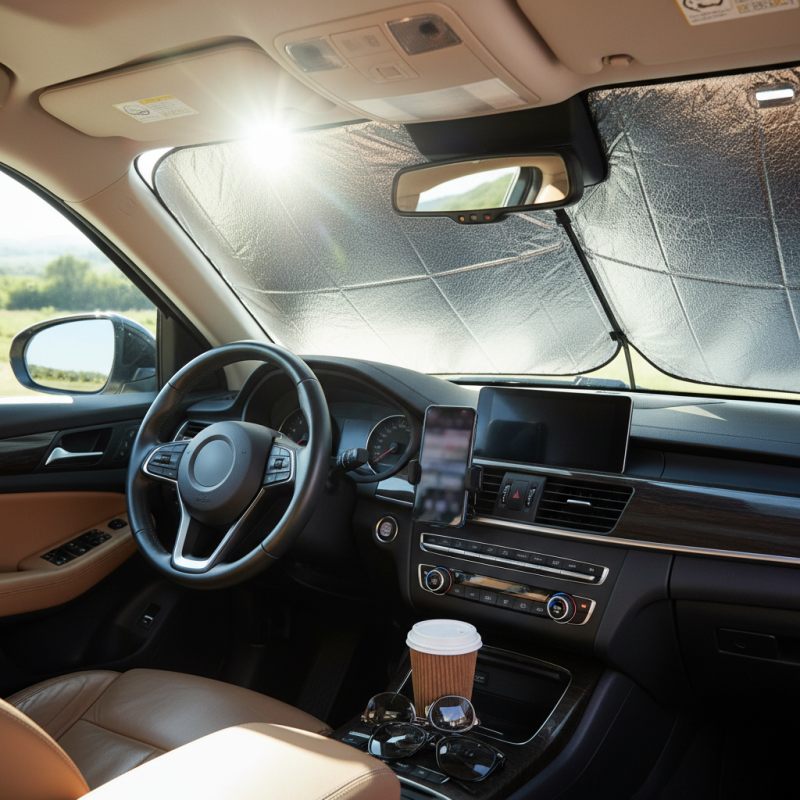
When selecting a car window sun shade, understanding the different types available is crucial. Reflective shades are popular for their ability to block sunlight and reduce heat inside the vehicle. These shades often come in a sleek, foldable design. They are easily stored and usually fit well against the window. However, some users find them less durable and prone to tearing over time.
Another option is the retractable window shade. These shades are mounted directly onto the window frame, providing a custom fit. They are convenient since you can use them whenever needed. Yet, installation can be tricky, and not all vehicle models accommodate them well. Users sometimes report that these shades can lose tension over time, requiring adjustment.
Static cling shades are a simple solution for many car owners. They adhere to the glass using static electricity, making installation a breeze. However, they may not provide the same level of heat reduction as reflective or retractable options. Be aware that this type can peel off in humid conditions, leading to frustration. Each of these types has its pros and cons, and considering your specific needs will help narrow down your choices.
When selecting the best car window sun shade, consider the material. Options include reflective, mesh, and fabric. Reflective shades block sunlight effectively but may not fit all windows perfectly. Mesh shades allow airflow, preventing your car from feeling stuffy. Fabric shades can provide style but may not be as effective in blocking heat. Each material has its pros and cons.
Next, think about the size and fit. A poorly fitted shade can defeat its purpose. Measure your windows carefully. Some shades come in universal sizes, while others are custom fit for specific models. A snug fit prevents sunlight from sneaking through gaps. Don’t ignore how easy it is to install and remove the shade, especially if you use it daily.
Lastly, consider portability. If you plan to use the shade frequently, look for lightweight options. Compact shades are easier to store when not in use. However, remember that convenience sometimes means sacrificing effectiveness. Reflect on your lifestyle and driving habits to make the right choice.
When considering a car window sun shade, evaluating material quality is essential. High-quality materials offer better durability and protection. Look for shades made from reflective fabric or metallic materials. These can effectively block harmful UV rays. A good sun shade should also be easy to install and remove. It should fit your car windows snugly to prevent gaps.
UV protection features are key to safeguarding your vehicle's interior. Shades that boast a high UV rating help reduce heat build-up. They protect your upholstery and dashboard from fading. Pay attention to product specifications. Some shades claim to provide 95% or more UV protection. However, not all deliver on this promise.
Reflect on your specific needs. If you use your car daily, a premium sun shade may be worth the investment. Temporary or budget options can work for occasional use. Ultimately, choose based on your driving habits and environmental conditions. Think about how often you park in direct sunlight. This consideration can guide you toward the best choice for your vehicle.
Measuring your car windows accurately is crucial for selecting the right sun shade. According to industry data, nearly 30% of consumers choose the wrong size, leading to ineffective sun protection. A precise fit can enhance cooling efficiency, reducing the car's temperature by up to 30%. This also helps in protecting your interiors from UV damage.
To measure, start with a tape measure. Measure the height and width of each window, including the areas around any curves. Most sun shades require measurements in inches. It’s recommended to measure the windows in different positions—up and down—ensuring a good fit. Some consumers may overlook this, resulting in sun shades that are too small or excessively large, causing gaps.
Take note of the reflective type of sun shade and its compatibility with your measurements. A great fitting shade should cover the entire window surface. Reports indicate that 50% of users experience better results with properly fitted shades that allow no light to pass through. This small adjustment can make a significant impact on comfort and protection against sun damage.
When choosing a car window sun shade, consider the type that best fits your needs: foldable, static, or reflective options. Foldable sun shades are convenient. They are easy to install and remove. You can store them in a compact manner when not in use. However, they may require more effort to set up. Static shades, on the other hand, cling to the windows. They are less hassle but can be challenging to clean.
Reflective options provide excellent heat control. They bounce sunlight away from your car. This helps keep your interior cooler. However, they may not fit all window shapes. It’s important to measure your car windows beforehand.
Tips for choosing the right shade include assessing your local climate. If you park in extreme heat often, choose highly reflective shades. Check if the shades have UV protection. Look for user reviews to understand ease of use. Remember that some shades may not block all light. Balance between glare reduction and visibility is key.
: Common materials include reflective, mesh, and fabric. Each has advantages and disadvantages.
A proper fit prevents sunlight from sneaking through. Poorly fitted shades reduce effectiveness.
Use a tape measure for height and width. Measure all windows, including curves.
About 30% misjudge their window measurements. This leads to inadequate sun protection.
An ill-fitting shade may allow gaps, reducing cooling efficiency and UV protection.
Look for lightweight, compact options for easy storage and frequent use.
A snug fit can lower the car's temperature by up to 30%. This improves comfort.
Reflective shades block sunlight well but may not fit all windows perfectly.
Properly fitted shades prevent light from passing through, enhancing overall protection.
Consider your lifestyle and driving habits that affect the shade’s effectiveness.
When selecting a Car Window Sun Shade, it is essential to understand the various types available, such as reflective, static, and foldable options, each catering to different needs and preferences. Key considerations include the material quality, ensuring it provides adequate UV protection, and the dimensions of your vehicle's windows for a precise fit.
Evaluating additional features can also enhance your choice; for instance, foldable sun shades offer convenience for storage, while reflective shades maximize heat and light blockage. Ultimately, selecting the right Car Window Sun Shade involves balancing functionality, protection, and ease of use to ensure a comfortable driving environment.

Yate Auto