Choosing the right Car Trash Bin in 2026 is less simple than it appears. Drivers face different needs, from coffee wrappers on short commutes to snack packaging during family road trips. A hanging bin saves floor space, while a console model keeps waste within easy reach. Collapsible designs are convenient, but they may lose shape when filled. Leakproof liners can protect carpets from melting ice or spilled drinks. Small details matter.
This guide compares the leading car trash bin types through practical, everyday criteria. We consider capacity, stability, cleaning, odor control, installation, and access while driving. These points reflect common vehicle layouts and realistic passenger habits, not just attractive product photos. A well-designed bin should stay upright through turns, fit without blocking controls, and empty without creating a mess. No test is perfect. A product that works well in a family SUV may feel crowded in a compact car. That difference deserves attention. We also examine material quality, lid design, liner compatibility, and long-term value. Some bins look durable but use thin seams or weak straps. Others seem basic yet survive daily use better. The best choice depends on your vehicle, passengers, and tolerance for cleaning. This comparison aims to make that decision clearer, though personal testing still matters.
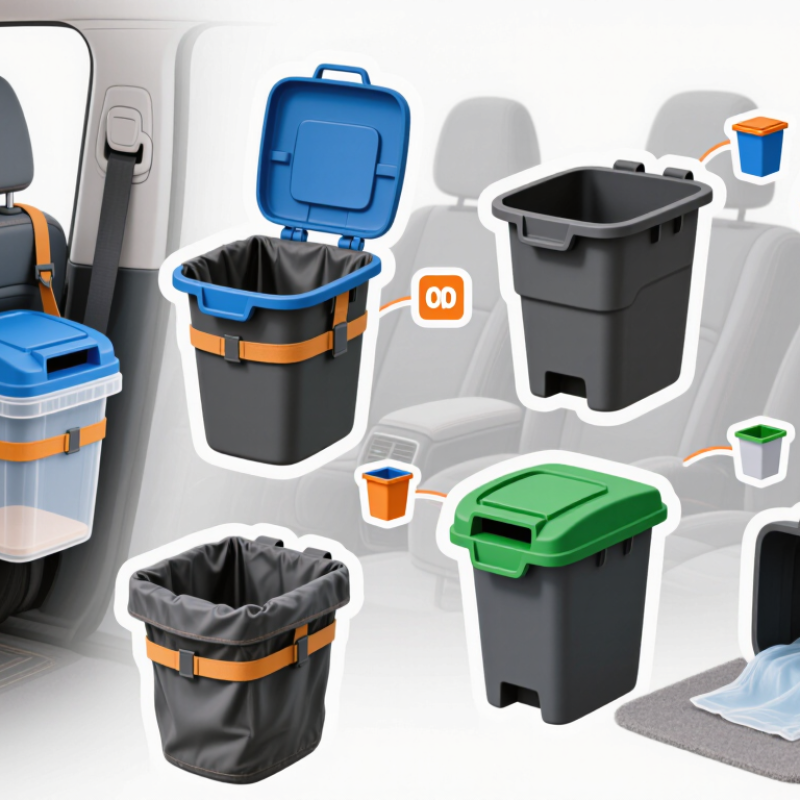
A car trash bin is a compact container designed to hold everyday vehicle waste. It usually fits beside a seat, behind a console, or on the floor. Unlike a loose plastic bag, it offers structure, stability, and easier removal. Small details matter. A secure lid can contain odors. A waterproof lining can protect carpets from drink residue.
The U.S. Environmental Protection Agency reported that Americans generated about 4.9 pounds of municipal solid waste per person daily in 2018. That figure covers every setting, not only vehicles. Still, it shows how quickly ordinary waste accumulates. Keep America Beautiful’s 2020 National Litter Study estimated nearly 50 billion litter items across U.S. roadways and waterways. The connection is not perfect, but a vehicle bin can reduce careless disposal during commutes, family trips, and roadside stops.
The best type depends on the vehicle and the driver’s habits. Hanging bins save floor space, while rigid bins resist collapsing under heavier waste. A leak-resistant liner is essential for cups, tissues, and food packaging. The container should also be easy to remove and clean. A large bin may suit a family vehicle, but it can obstruct legroom in a small car. I would not treat any bin as a complete solution. It still needs regular emptying, and some designs swing during sharp turns. That weakness is easy to overlook. A practical choice balances capacity, stability, cleaning effort, and access.
| Car Trash Bin Type | Typical Capacity | Common Placement | Main Advantages | Main Limitations | Best For | Overall Practicality |
|---|---|---|---|---|---|---|
| Hanging Door or Console Bin | Approximately 3–8 L (0.8–2.1 gal) |
Door pocket, center console, or another supported interior panel | Uses unused vertical space; keeps waste within easy reach; usually compact and lightweight. | May interfere with legroom, doors, controls, or cup holders if positioned poorly; smaller opening than large floor bins. | Daily commuting and compact cars | Space-efficient |
| Floor-Standing Bin | Approximately 8–20 L (2.1–5.3 gal) |
Passenger-side floor, rear floor, or cargo area | Offers the largest capacity among common reusable designs; wide openings make disposal easier; suitable for family trips. | Takes up floor space; can slide during driving unless weighted or secured; may block passenger footwell access. | Families, road trips, and larger vehicles | Highest capacity |
| Seat-Back Hanging Bin | Approximately 4–10 L (1.1–2.6 gal) |
Attached to the back of a front seat | Convenient for rear passengers; keeps waste off the floor; often provides extra pockets for tissues or small items. | Can reduce rear legroom; may be difficult for front passengers to reach; straps must be adjusted securely. | Families with children and rear-seat passengers | Rear-seat friendly |
| Collapsible Fabric Bin | Approximately 5–15 L (1.3–4.0 gal) |
Floor, seat, or cargo area depending on the design | Folds flat when not in use; lightweight; usually provides good capacity without permanent installation. | Soft sides may collapse under light loads; can absorb spills if not lined; may require an inner bag. | Drivers needing flexible storage | Easy to store |
| Hard-Shell Lidded Bin | Approximately 3–12 L (0.8–3.2 gal) |
Center console area, floor, or side compartment | Rigid structure prevents collapse; a lid helps contain odors and conceal waste; generally easy to wipe clean. | Uses more fixed space; lid openings may be less convenient while driving; can be noisier when items move inside. | Drivers prioritizing containment and easy cleaning | Clean and contained |
| Leak-Resistant Waterproof Bin | Approximately 5–15 L (1.3–4.0 gal) |
Floor, seat-back, or cargo area | Helps contain liquid residue and food waste; washable interior reduces the risk of permanent staining and odors. | Needs regular washing and drying; waterproof materials can retain odors if left closed with wet waste. | Travel involving drinks, snacks, or messy waste | Best spill protection |
| Disposable Bag Holder | Depends on the attached bag; commonly 3–10 L (0.8–2.6 gal) |
Headrest, console, door area, or another attachment point | Low purchase cost; quick to replace; eliminates the need to wash a reusable container. | Provides limited structure and odor control; ongoing bag consumption creates more waste; unsuitable for sharp or heavy items. | Short trips and occasional use | Simple but less durable |
| Built-In Vehicle Storage Compartment | Varies by vehicle; often approximately 1–5 L (0.3–1.3 gal) |
Factory-designed door, console, or dashboard compartment | Integrated appearance; does not require extra accessories; preserves cabin space. | Capacity and shape are fixed by the vehicle; many compartments are not leakproof or removable; cleaning may be difficult. | Minimalist interiors and light waste | Convenient but limited |
A car trash bin is a small container or holder designed to collect everyday vehicle waste such as receipts, wrappers, tissues, and empty drink containers. The best type depends on available cabin space, passenger needs, spill risk, cleaning preferences, and required capacity. Capacity figures are typical ranges for the listed design categories and may vary by vehicle and product construction.
It is a compact container for everyday vehicle waste. It may sit beside a seat, behind a console, or on the floor. Unlike a loose bag, it offers better structure and stability.
Ordinary waste builds up quickly during commutes and family trips. A bin can reduce careless disposal during roadside stops. It is not a complete solution. Regular emptying still matters.
A compact commuter often needs about 3 to 5 liters. Measure the space beside the console before buying. A narrow bin may look useful, yet fill within two days.
Families often need about 8 to 12 liters. A wide opening helps children place wrappers and tissues inside. However, a large bin may reduce legroom. Bigger is not always better.
Rigid plastic keeps its shape and wipes clean easily. Water-resistant fabric feels softer, but its seams may absorb spills. A washable inner liner helps after a leaking cup.
Choose a waterproof interior, raised rim, and secure lid. These features help contain drink residue and unpleasant smells. Test it carefully.
Commuters may use a space beside the center console. Families can attach a bin behind a seat or near a headrest. Rideshare drivers should keep it accessible without blocking passengers.
Use firm straps or an anchored base. Check whether it shifts during braking, turns, or rough roads. A swinging bin becomes annoying quickly. That weakness is easy to overlook.
Measure the space with the seats in normal positions. Test the lid with one hand while parked. Check the liner, opening, straps, and cleaning process. Easy cleaning may matter more than decorative materials.
A Car Trash Bin is a practical vehicle accessory designed to keep everyday waste contained, organized, and easy to remove. In 2026, drivers can choose from hanging bins, console-sized containers, seat-back models, and compact options for smaller vehicles. Each type offers different advantages in accessibility, stability, storage capacity, and ease of cleaning. A well-chosen bin can reduce clutter, protect the interior from spills, and make daily commuting or family travel more comfortable.
When comparing models, consider capacity, durable materials, secure liners, waterproof construction, and leak protection. Some drivers may prefer a small, discreet bin for occasional use, while families or frequent travelers may need a larger container with a wide opening and strong fastening system. The best choice should fit the available space without interfering with passengers, gear, or vehicle controls. By matching the bin’s size, design, and maintenance requirements to your driving habits, you can select a reliable solution for a cleaner and more organized vehicle.

 Yate Auto